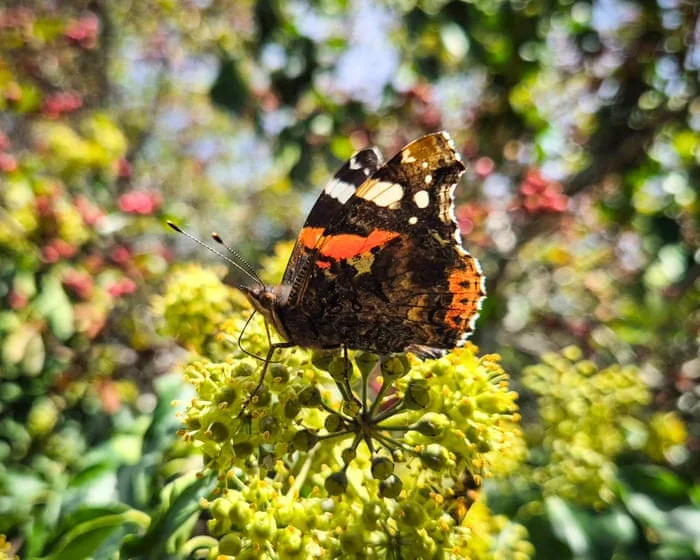
An eight-year monitoring study identifies common ivy as one of the plants most frequently visited by pollinating insects. Its autumn flowers supply nectar and pollen at a time when some other flowering resources are declining.
Citizen scientists in the UK Pollinator Monitoring Scheme recorded visits during ten-minute observations. Ivy averaged twenty-two flying-insect visits, followed closely by hogweed, while bramble, buddleia and several other familiar plants also attracted substantial activity.
The findings challenge the habit of treating all untidy or self-seeded plants as useless weeds. They do not mean every species suits every garden, but show that ordinary urban vegetation can have measurable ecological value, with seasonal flowering and the needs of different insects influencing which plants receive attention.